

Contractor for Real Estate Investors in Charlotte: What to Look For
For real estate investors in Charlotte, the contractor you choose has a direct effect on your returns. The right partner helps you buy with confidence, renovate on schedule, and get properties sold or rented faster.
Investors Need a Different Kind of Contractor
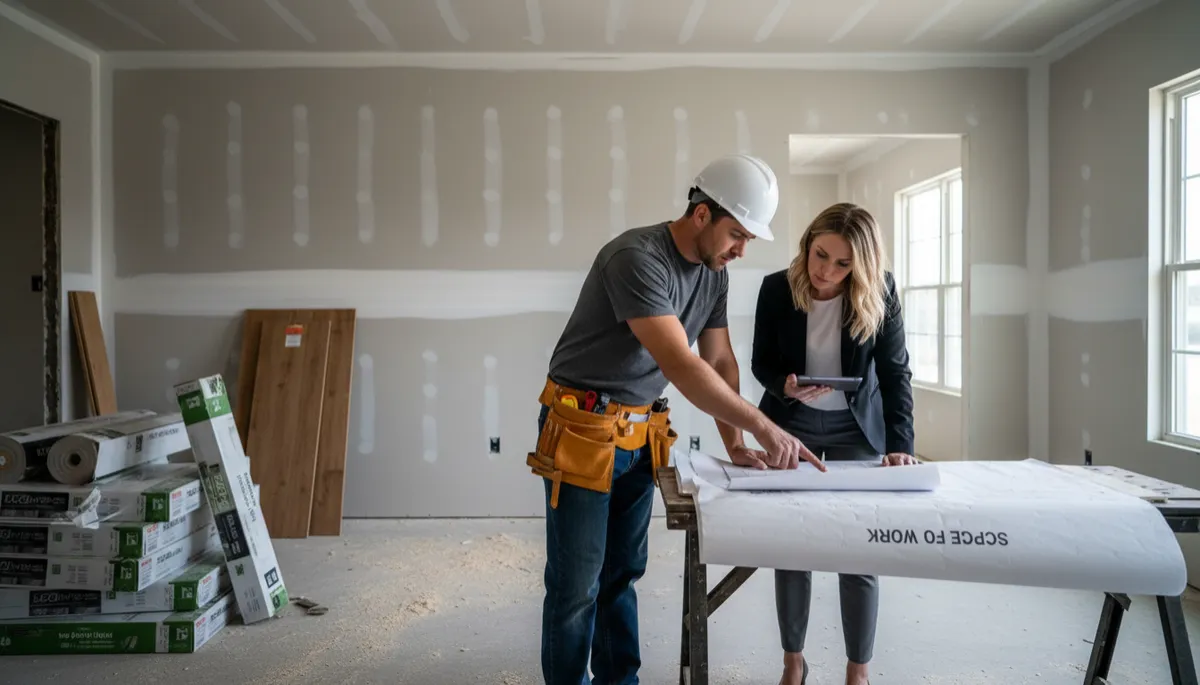
Homeowners and investors often want different things from a renovation. A homeowner is building for their own daily life, while an investor is building for a buyer or a tenant. That means decisions are driven by budget, timeline, durability, and resale or rental value. A contractor who works with investors understands that every dollar has to earn its place. They help you focus on the work that adds value and skip the work that doesn't.
Walk the Property Before You Close
The best time to bring in a contractor is during your due diligence period, before you're committed to the purchase. A walkthrough can reveal issues with the roof, foundation, plumbing, electrical, or HVAC that change your numbers. It also helps you see what level of renovation the property really needs. Your offer and your renovation plan should be built on the same information. Scoping before you close helps you avoid buying a project you can't make work.
A Detailed Written Scope Protects Your Numbers
Vague scopes lead to surprise costs. A good proposal breaks the work down by trade and area, with clear descriptions of what is included and what is not. That level of detail lets you check the work against your budget and your after-repair value. It also gives everyone the same reference point when questions come up in the field. A clear written scope is one of the best tools an investor has for protecting a deal.
Match the Renovation to Your Strategy
A flip and a long-term rental call for different choices. On a flip, the focus is often on buyer-facing upgrades like kitchens, baths, flooring, paint, and curb appeal. On a rental, the priority shifts to durability, easy maintenance, and finishes that hold up between tenants. A rental may also benefit from upgrades that cut down on service calls, such as newer plumbing fixtures or a replaced water heater. Knowing your exit strategy keeps the scope focused on what actually pays off.
Speed Matters, and Sequencing Matters More
Every week a property sits unfinished adds holding costs. A fast start helps, though a well-sequenced job usually finishes sooner than a rushed one. Demolition, rough-ins, inspections, drywall, finishes, and cleanup all have to happen in the right order. Materials should be selected and ordered early, since cabinets and other items can take weeks to arrive. A realistic schedule built around the right order of work keeps crews moving and your property on track.
Permits Still Apply to Investment Properties
Investment properties follow the same permit rules as any other home. Work involving structure, plumbing, electrical, or HVAC often requires permits and inspections. Skipping them can create problems when you sell, refinance, or file an insurance claim. Buyers and their inspectors may also ask about unpermitted work. Pulling the right permits protects the value you're building into the property.
Expect Clear Communication When You're Not On Site
Many investors manage several properties at once and can't visit every job every day. Your contractor should keep you informed with regular updates and progress photos. You should know who to call with a question and get a timely answer. Decisions that affect cost or schedule should be put in writing before work moves forward. Consistent communication lets you manage your portfolio without managing every crew.
Plan for Hidden Conditions
Older properties in particular can hide problems behind walls and under floors. Rotted subfloor, outdated wiring, and old plumbing are common finds once demolition starts. A good contractor documents these conditions with photos and explains your options before moving ahead. Any added work should be handled through a written change order. Clear change order handling keeps surprises from quietly eating into your margin.
Choose Finishes That Hold Up
Durable finishes save money over the life of an investment property. Hard-surface flooring, quality paint, solid hardware, and simple, timeless fixtures handle wear better and are easier to repair. Neutral design choices also appeal to a wider range of buyers and tenants. Standardizing finishes across your properties can make future repairs and turnovers faster. Choosing for durability reduces maintenance calls and keeps units ready for the next tenant.
Questions to Ask Before You Hire
Before you commit to a contractor, ask a few direct questions. The answers will tell you a lot about how they run a job.
Are you licensed and insured in this state?
Will I get a detailed written scope of work?
Who is my point of contact during the project?
How do you handle change orders and hidden conditions?
Clear answers up front are a good sign of how the project will run.
Build a Relationship, Not Just a Project
Investors who find a reliable contractor tend to do better over time. A contractor who knows your standards, finish preferences, and budget targets can scope new deals faster. Repeat work also builds trust in both directions. Over time, that relationship becomes part of how you evaluate and close on new properties. A long-term contractor partner is one of the most valuable assets in an investor's network.
Partner With a Contractor Who Builds With Your Numbers in Mind
For investors in Charlotte, NC and Fort Mill, SC, Iconic Build and Design handles fix-and-flips, rental renovations, and full repositions with the same clear process we use on every project. We start with an in-person walkthrough of the property, then meet with you to present a detailed written proposal face to face. Once work begins, a Construction Operations Coordinator is your single point of contact. We are licensed in NC and SC. To talk through your next property, book an in-person walkthrough or call 980-288-4660.
Build bold. Design iconic. Your next deal deserves a contractor who understands the math.